Ever get the feeling something in your home is making you feel off, but you can’t quite put your finger on it? If you’re dealing with stuff like unexplained headaches, a scratchy throat, or just a weird musty smell, mold could be to blame. Let’s break down the warning signs and what you need to do about them no medical degree required.
- Breathing Problems That Won’t Go Away
If you’re coughing, wheezing, or feeling short of breath and can’t figure out why, mold might be the culprit. Mold spores and their toxins love to mess with your airways. You might notice:
– Persistent cough
– Wheezing or tight chest
– Shortness of breath
– Symptoms that don’t budge even after taking allergy meds
Hot Tip:
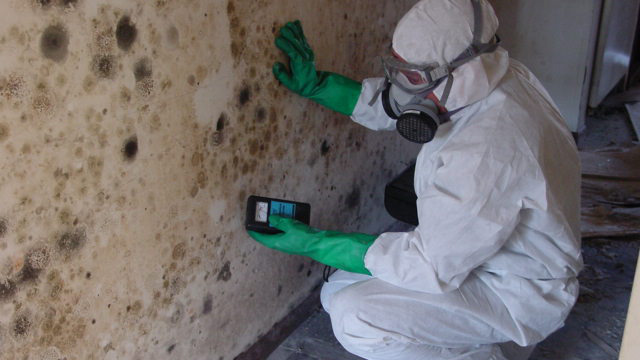
Pay attention if breathing gets worse in damp rooms or after it rains. If these problems just won’t quit, don’t brush them off see a doctor and check your home for mold. For quick relief, consider a service specializing in fast, EPA-approved mold remediation in Connecticut.
- Allergies That Don’t Respond to Treatment
Are you popping antihistamines like candy, but your allergy symptoms are still sticking around? Mold is sneaky like that. Signs include:
– Constant sneezing
– Runny or stuffy nose
– Itchy, watery eyes
– Symptoms that ease up when you’re away from home
You might need more than just allergy pills think mold testing, a good cleaning, or even professional remediation.
- Headaches and Fatigue for No Reason
Ever feel like you have a permanent case of brain fog or a headache that just won’t quit? Mold toxins (mycotoxins) can be to blame. Watch out for:
– Frequent headaches
– Feeling drained, no matter how much you sleep
– Trouble focusing or concentrating
If you’re constantly tired and achy at home but feel better elsewhere, it’s time to check for hidden mold.
- Skin Irritations and Rashes
Mold doesn’t just mess with your lungs it can bug your skin, too! Look for:
– Red, itchy patches
– Rashes that come and go
– Worse irritation in damp areas of your home
Try over-the-counter creams, but if the rash sticks around, consult your doctor and investigate for mold.
- That Weird Musty Smell
If your house smells like an old basement, you might have hidden mold. Common spots where that musty funk comes from:
– Bathrooms
– Basements
– Closets or behind furniture
Quick Checklist:
– Sniff around for persistent odors
– Check for water stains or damp walls
– Use a moisture meter if you have one
Don’t ignore these smells, even if you can’t see any mold yet!
- Symptoms That Flare Up in Certain Seasons or After Water Damage
Notice that your allergy or breathing issues get worse during rainy seasons or after a leak? Mold loves moisture! Here’s what to look out for:
– Symptoms spike when it’s humid
– You feel worse after a leak or flood
– Itchy eyes, cough, or fatigue during certain months
What to Do:
Fix any leaks ASAP and use a dehumidifier to keep things dry.
- Asthma or Breathing Issues Getting Worse
If you have asthma or another breathing condition and it suddenly gets harder to manage, mold could be to blame. Warning signs:
– Asthma attacks more often
– Persistent cough
– Allergy meds aren’t helping anymore
Try using an air purifier and keep humidity low. If things don’t improve, call your doctor.
- Spots or Stains on Walls and Ceilings
See weird stains or fuzzy patches? That’s a red flag.
– Black, green, or brown spots
– Peeling paint or bubbling wallpaper
– Stains that keep getting bigger
Don’t just paint over it find and fix the moisture problem first!
- Damp or Humid Rooms That Never Dry Out
Some rooms just never seem to dry out, no matter what you do. This creates a perfect breeding ground for mold.
Look for:
– Persistent dampness on walls or floors
– Windows that are always foggy
– Items that feel damp or smell musty
How to Fight It:
– Use a dehumidifier
– Open windows for airflow
– Fix leaks right away
- You Feel Better When You Leave Home
This is a big clue! If you notice:
– Fewer symptoms when you’re at work, on vacation, or even just outside
– Feeling crummy only when you’re at home
…it’s time to get your place checked for mold.
What Should You Do If You Suspect Mold?
- Inspect: Look for visible mold, water stains, and smell for musty odors.
- Test: Consider home mold test kits or call a pro if you’re not sure.
- Fix Moisture: Get leaks fixed, use dehumidifiers, and improve ventilation.
- Clean: Small patches can be cleaned with mold-killing sprays, but big or hidden infestations need professionals.
- See a Doctor: If your symptoms persist, don’t tough it out get checked out!
Bottom Line:
Don’t ignore these signs. Mold is sneaky, but you can outsmart it by paying attention to your body and your home. Take action early and you’ll breathe (and feel) a whole lot better!