Efficient fluid management is essential for maintaining smooth operations across industrial equipment. Electric solenoid valves provide convenient and dependable control over liquids and gases through electrically operated mechanisms. Their responsive switching capabilities, compact construction, and adaptable configurations make them valuable components in modern industrial systems. By simplifying fluid movement and supporting automated operations, these valves contribute to improved productivity, consistent performance, and convenient equipment management.
Understanding Electric Solenoid Valve Operation
Electric solenoid valves use electromagnetic energy to regulate fluid movement within connected systems. When electrical current passes through the coil, a magnetic field activates an internal plunger or operating mechanism, allowing the valve to open or close. This straightforward operating principle supports convenient and responsive flow management.
- Electromagnetic Activation: Converts electrical energy into controlled mechanical movement.
- Automatic Switching: Opens or closes flow passages through electrical signals.
- Reliable Operation: Supports consistent fluid control during repeated operating cycles.
- Compact Design: Fits conveniently into different industrial equipment arrangements.
- Quick Response: Helps equipment react efficiently to changing control requirements.
Improving Fluid Management Across Equipment
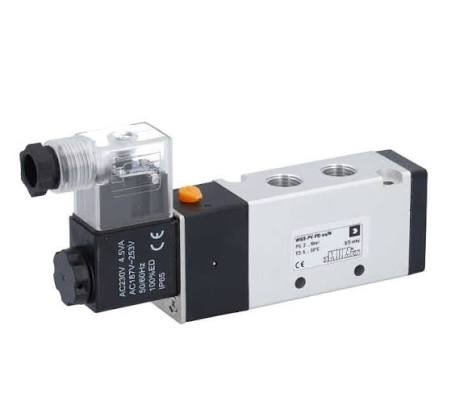
Effective fluid distribution helps industrial equipment maintain coordinated operations. Electric solenoid valves simplify this process by controlling when and where liquids or gases move through connected pipelines. Their adaptable functionality supports various equipment configurations and operational requirements.
- Controlled Flow: Regulates the movement of fluids according to operating requirements.
- Automatic Shutoff: Stops fluid movement when the valve receives the appropriate command.
- Directional Control: Helps distribute fluids through selected flow passages.
- Consistent Delivery: Supports dependable fluid supply during equipment operation.
- Remote Operation: Allows convenient activation through electrical control arrangements.
Exploring Different Electric Solenoid Valve Designs
Different industrial applications require specific valve configurations to achieve suitable performance. Understanding these designs helps equipment operators and engineers identify appropriate solutions according to pressure, flow capacity, fluid compatibility, and installation requirements.
- Direct-Acting Valves: Use electromagnetic force to operate the internal valve mechanism directly.
- Pilot-Operated Valves: Utilize fluid pressure to assist the opening and closing process.
- Normally Closed Valves: Keep the flow passage closed when electrical power is inactive.
- Normally Open Valves: Maintain an open passage when the solenoid is de-energized.
- Multi-Way Valves: Direct fluid movement through multiple connection ports.
Supporting Industrial Productivity And Automation
Modern industrial equipment benefits from components that simplify control and encourage consistent performance. Electric solenoid valves integrate conveniently with automated arrangements, helping reduce manual intervention while supporting organized equipment operations.
- Improved Coordination: Supports synchronized functions across connected machinery.
- Operational Efficiency: Simplifies fluid handling through electrical activation.
- Flexible Integration: Accommodates different pneumatic and fluid control arrangements.
- Space Efficiency: Compact construction supports organized equipment layouts.
- Convenient Maintenance: Accessible components simplify routine inspection and servicing.
Selecting Suitable Valves For Long-Term Performance
Choosing appropriate electric solenoid valves involves understanding operating pressure, flow capacity, electrical requirements, fluid characteristics, and connection dimensions. Reviewing these specifications helps ensure compatibility with the intended equipment. Educational resources such as https://www.vincervalve.com/what-is-a-solenoid-valve/ also provide useful information about valve operation and applications.
Regular inspection, proper installation, and suitable operating conditions further support dependable functionality. Ultimately, electric solenoid valves make industrial fluid management more convenient through responsive control, adaptable designs, and reliable operation. Their contribution to automated equipment helps create efficient workflows and consistent industrial performance.